Latest
-

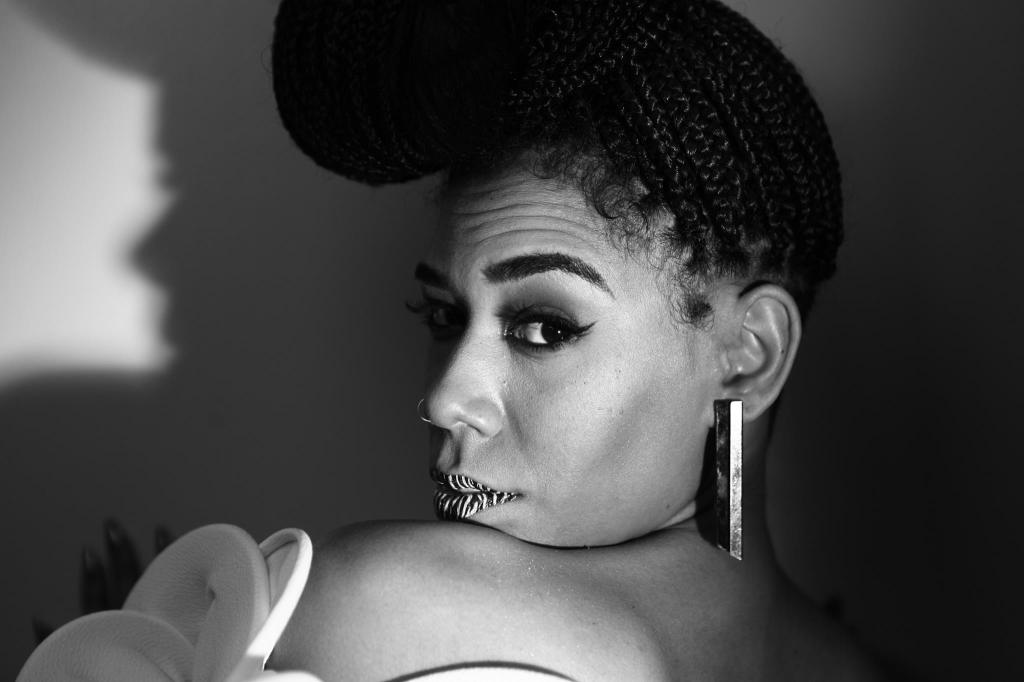
Koffee The Floetress Graces the Cover of Deep House Magazine
In the ever-evolving world of deep and soulful house music, few voices resonate with the same poetic energy and authenticity as Koffee The Floetress. Known for blending spoken word, soulful storytelling, and deep house rhythms, the artist—often referred to as “The First Floetress of House”—has become a distinctive voice in the genre. Her appearance on the…


How to Go Deep in the Music: 5 Steps to Create Mega House Music Sets (Easy Guide for New DJs)
Welcome to the ultimate guide for crafting house music sets that’ll absolutely blow minds on the dancefloor! Whether you’re just starting your DJ journey or looking to elevate your house game, we’re about to dive deep into the secrets that separate good DJs from absolutely legendary ones.
Creating powerful house music sets isn’t just about dropping bangers: it’s about understanding the soul of the music and taking your audience on an unforgettable journey. Ready to transform your sets from basic to absolutely mega? Let’s get started!
Step 1: Master the Foundation of House Music
Before you can build those mind-blowing sets, you absolutely need to understand what makes house music tick! This is your foundation, and trust us: every legendary DJ started right here.
House music lives and breathes on that iconic four-on-the-floor beat. We’re talking kick drums hitting hard on beats one, two, three, and four, typically cruising between 120-130 BPM. This isn’t just a rhythm: it’s the heartbeat of the dancefloor!
The magic happens in the lower frequencies. House music emphasizes those deep, hypnotic basslines over flashy melodies. Think of tracks built with legendary machines like the Roland TR-808 and TR-909: these aren’t just instruments, they’re the DNA of house music!
Deep house takes it even further with warm, enveloping “pads,” sophisticated minor keys, and those subtle jazz elements that add serious musicality. Picture those bittersweet moods that make dancers close their eyes and just feel the music. That’s where the magic lives!

Pro tip: Start building your foundation by studying classic tracks from pioneers like Larry Heard and Marshall Jefferson. These masters understood that house music’s power comes from repetitive rhythms and emotional engagement, not just aggressive energy.
Step 2: Structure Your Set Like a Story
Here’s where most new DJs get it completely wrong: they think louder equals better from minute one! But legendary sets unfold like epic stories, and you’re the storyteller guiding that dancefloor through carefully crafted emotional arcs.
Break your set into three distinct chapters: Warm-Up, Peak Time, and Closing. Each chapter has its own personality and purpose!
The Warm-Up (Your Opening Chapter)
Start with tracks between 123-126 BPM and keep that energy under 7 out of 10. This is crucial! You’re not trying to blow minds immediately: you’re creating space and inviting people into your musical world.
Select 5-7 tracks with serious opening character but plenty of room to grow. Think depth over immediate impact. Choose tracks that hint at the incredible journey you’re about to take everyone on, without giving away all your secrets upfront.
Peak Time (Your Climax Chapter)
This is where you can unleash more energy and complexity, but remember: you’re still telling a story! Even at peak energy, maintain that hypnotic quality that defines truly great house music.
The Closing (Your Resolution)
Bring that energy back down thoughtfully. Consider returning to those warm, enveloping atmospheres from your opening, creating a complete narrative that leaves dancers satisfied, not exhausted.

Step 3: Build Your Track Selection with Emotional Progression
Welcome to the heart of creating mega house sets! This isn’t just about playing great tracks: it’s about selecting music that flows together to create an emotional journey that’ll have people talking about your set for months.
Focus on tracks that create endless, enveloping grooves rather than just peak-energy bangers. Look for sophisticated musicality: those subtle jazz elements, soulful vocal snippets that add human touch to electronic beats, and atmospheric pads that create warmth throughout your set.
Here’s the secret sauce: prioritize flow over individual track quality. A good track that fits perfectly in your emotional arc beats a great track that kills the vibe every single time!
Consider how tracks will complement each other:
- Harmonic compatibility – tracks that work together musically
- Energy progression – how each track builds or releases tension
- Textural variation – mixing different sonic elements throughout your set
- Emotional resonance – maintaining that deep connection with your audience
Remember Derrick Carter’s “Rising and Falling” and similar classics? They remain affecting because they emphasize groove and atmosphere over pure aggression. That’s your blueprint right there!
Step 4: Layer Your Sound Like a Pro Producer
House music production is all about intelligent layering: drum machine beats, samples, and synth basslines working together while maintaining a relatively sparse overall texture. Apply this exact same principle to your DJ sets!
Rather than constantly mixing in new elements (rookie mistake!), give your tracks breathing room to develop their full character. Those distinctive house elements: claps, shakers, snare drums, and hi-hat sounds: should build rhythmic complexity gradually, not all at once.
Pay serious attention to how tracks use synthesizer riffs and deep basslines. Select transitions where these elements complement rather than clash with each other. It’s like conducting an orchestra: every element needs its moment to shine!

Master these layering techniques:
- Use congas and bongos to add African-influenced sounds
- Incorporate metallic percussion for Latin flavors
- Let synthesizer riffs breathe and develop naturally
- Allow basslines to lock in before adding new elements
The goal? Create textural diversity across your entire set while maintaining that hypnotic, flowing quality that keeps people locked in the groove.
Step 5: Create Flow Through Energy and Harmonic Management
Here’s where you separate yourself from average DJs and join the ranks of the legends! Creating truly deep house sets isn’t about constant escalation: it’s understanding that house music’s incredible power comes from repetitive rhythms and genuine emotional engagement.
Build your set so energy ebbs and flows naturally. Create moments of introspection alongside those peak moments. Since house music thrives on steady, pumping kicks that keep energy flowing on dancefloors, use BPM and key matching to create absolutely seamless transitions.
Energy Management Essentials:
- Start low, build gradually – resist the urge to peak too early
- Create breathing room – not every moment needs maximum intensity
- Use silence strategically – sometimes the most powerful moment is when you pull back
- Read your dancefloor – adjust energy based on crowd response
Harmonic Progression Tips:
- Match keys when possible, but don’t force it if the vibe doesn’t work
- Use the Circle of Fifths to find complementary keys
- Sometimes contrasting keys create beautiful tension and release
- Trust your ears over theory: if it sounds right, it probably is!

During peak time, you can absolutely increase energy and introduce more complex layering, but always maintain that hypnotic quality that defines great house music. For your closing, bring everything back down thoughtfully, perhaps returning to those warm atmospheres from your opening.
Your Next Steps to House Music Excellence
Creating “mega” house sets isn’t about complexity: it’s about mastering fundamentals, building emotional connections, and trusting in house music’s inherent power of repetitive, groove-based hypnosis to do the heavy lifting.
Ready to put these techniques into practice? Start building your next set using these five steps. Remember, every legendary DJ started exactly where you are right now. The difference between good and great? Consistent practice and genuine passion for the music.
Want more insider tips and techniques? Drop us a line at Deep House Magazine: we love connecting with DJs who are serious about their craft!
Your journey to creating absolutely legendary house music sets starts now. Welcome to the deep end of house music excellence: the water’s perfect, and we can’t wait to hear what you create!
Keep those beats flowing, and remember: in house music, going deep isn’t just a technique, it’s a way of life.
 Deep House Magazine Blogs